If you’re looking for the 103rd and Doty Road impound phone number, a current direct number for that pound couldn’t be confirmed from Chicago’s official pages. Use the city’s official vehicle search to confirm that your car is at Auto Pound #2 before leaving. Quick Tow Chicago doesn’t operate the pound or control vehicle releases.
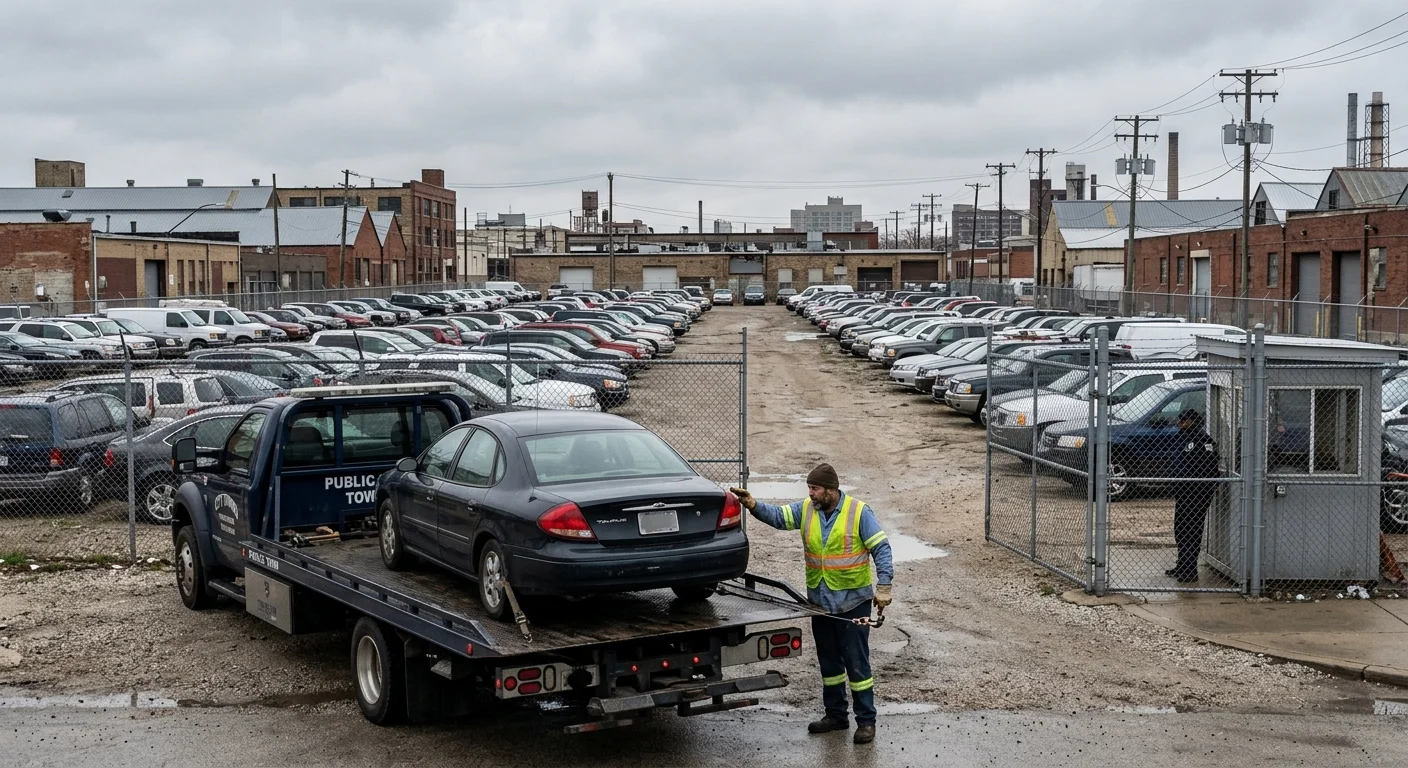
Check whether Chicago has your vehicle
Start with Chicago’s official Find Your Towed Vehicle tool. Follow its prompts and enter the identifying information it requests. The result should tell you whether the city has a record and which pound received the vehicle.
Don’t assume the car went to 103rd and Doty because it disappeared on the South Side. Chicago uses four auto pounds. The correct destination depends on why and where the vehicle was removed.
A missing car also may have been relocated instead of impounded. City agencies relocate vehicles when they need to clear streets for work. Chicago says emergency relocations can happen without an opportunity to post signs. A relocated vehicle may be parked on another nearby street rather than stored inside a pound.
That distinction changes your next step. An impound record should identify a city facility. A relocation result should help you locate the street where the car was moved. If neither appears, contact Chicago’s non-emergency city service before reporting the vehicle stolen.
Check the record again before making the trip. Plate information, the pound assignment and the vehicle description should all match your car. Save the result on your phone or take a screenshot. Our broader guide to finding a towed car in Chicago explains the search process when the first lookup doesn’t settle the question.
Confirm the pound before you travel
Auto Pound #2 is the city facility at 10301 S. Doty Avenue. Searchers often call it the “103 Doty impound” or “103rd Doty Road impound,” but Chicago’s published address uses Doty Avenue.
Confirm that the lookup result specifically names Auto Pound #2. Don’t rely on an old map listing, an unofficial directory or where someone thinks South Side vehicles usually go. A trip across Chicago can take substantial time, especially when your route involves the Dan Ryan or Bishop Ford.
Auto Pound #6 isn’t another name for the Doty facility. Pound #6 is at 701 N. Sacramento Avenue. Chicago also operates the Central Auto Pound and an O’Hare airport pound. All four city pounds are listed as open 24 hours a day, 365 days a year. Our guide to the four Chicago auto pounds compares their published locations.
Those hours don’t guarantee that a particular vehicle can be released. A police hold, missing ownership documents or unpaid charges can stop the process after you arrive. Confirm the vehicle’s location and release status first.
A verified direct telephone number for the 103rd and Doty pound couldn’t be found on the official pages used for this guide. Rather than calling a number copied from an unofficial directory, use the city lookup and follow the contact instructions it provides. The city’s Common Towing Questions page is the authority for pound locations, hours and redemption requirements.
What to verify before trying to retrieve the car
Chicago requires a valid photo ID from every person claiming a vehicle. You also need proof that you own or control it. The city accepts a valid title, current registration card or a bill of sale no more than 30 days old.
Bring the lease agreement if you’re the lessee. If you’re collecting the car for its owner, Chicago requires an original notarized letter from that owner. Anyone planning to drive the vehicle out also needs a current valid driver’s license.
The city won’t release a vehicle without current state plates. A Chicago Vehicle Sticker is also required when it applies to that vehicle. Confirm these items before traveling, especially if the car had expired registration or sticker problems when it was removed.
Chicago’s published city-pound schedule lists a $250 tow fee for vehicles under 8,000 pounds. The listed fee is $350 at 8,000 pounds or more. Storage is listed at $50 per day below 8,000 pounds and $100 per day at or above that weight. These are the city’s figures under Municipal Code 9-92-080, not prices charged by Quick Tow Chicago or an independent operator.
The city says payment can be made with cash, Visa, Mastercard, Discover, American Express or Diners Club. Checks and money orders aren’t accepted. All applicable charges and fines must be paid before release.
Ask the city to confirm the current balance rather than calculating it yourself. Storage can change the amount due, and another obligation may appear on the vehicle record. Don’t combine this schedule with figures from Chicago’s separate winter parking-ban page. The city publishes different figures for those ban tows.
A vehicle held for a police investigation can’t be released at the pound. Certain enforcement impounds also require action through the Vehicle Impoundment Office at 400 W. Superior. The pound can’t override those holds. Verify which office controls the release before bringing payment or arranging transportation.
How a city impound differs from a relocation
A City of Chicago impound takes the vehicle to one of the four city pounds. If the lookup shows Auto Pound #2, the vehicle is in the city pound system at 10301 S. Doty Avenue. Chicago’s published redemption documents, accepted payment methods and city fees apply.
A city relocation is different. Agencies may move a vehicle to clear a street for construction, public work or an emergency. The car may remain parked on a public street. It hasn’t necessarily entered a pound, so traveling to Doty Avenue won’t help unless the official record names that facility.
Private-property towing is another separate process. In Cook, DuPage, Kane and Will counties, private-property relocations fall under Illinois Commerce Commission oversight. They aren’t City of Chicago pound tows. An apartment lot, shopping center or privately managed garage may have its own posted relocator information.
A suburban municipal impound is different again. Villages set their own administrative fees and operate under their own local processes. Chicago’s pound schedule doesn’t establish what Cicero, Oak Lawn or another suburb charges. If a suburban agency ordered the tow, contact that municipality and use its official instructions.
The location where the car disappeared offers a useful clue, but it doesn’t settle the classification. Check who ordered the removal, where the vehicle was taken and which agency controls release. Our guide to impounds versus relocations in Chicago explains these systems in more detail.
Quick Tow Chicago can’t release an impounded car, remove a city hold or change a pound charge. We connect drivers with independent local operators after the responsible agency authorizes the vehicle’s release.
What to do if the released car can’t be driven
Finding the car and retrieving it are two separate jobs. First, complete the city’s release process. Then decide whether the vehicle can leave safely under its own power.
Tell pound staff if the car has collision damage, won’t start or has a damaged wheel. Don’t assume a jump start will solve an unknown mechanical problem. You may need an independent operator to move the vehicle after the city clears it.
Before requesting a tow, confirm that the release is complete and the operator can access the vehicle. Have the year, make and model ready. Describe visible damage, locked wheels, missing keys or anything else affecting loading. Share the destination and say whether it’s a repair shop, residence or another permitted location.
These details help the operator choose suitable equipment. They also help prevent a second trip caused by missing information. The operator sets the price, and it should be quoted before dispatch.
Our emergency towing referral service can match you with an independent local operator. Quick Tow Chicago doesn’t own trucks, employ pound staff or operate a storage yard. We also can’t promise when the city will finish paperwork or approve release.
Don’t arrange the outside tow while the vehicle remains under a police or administrative hold. An operator can’t bypass that restriction. Settle the release with the city first, then provide the operator with the pound name and pickup details.
Keep your city receipt and any release documents. If the vehicle goes directly to a repair shop, tell the shop that it arrived from an impound lot and describe the problem you observed. That gives the receiving shop useful context without guessing why the vehicle failed.
When to call us
Once Pound #2 has cleared the release but the car can’t be driven, we can match you with an independent local operator. The line takes calls 24/7, and calls are recorded after a notice; the operator’s price is quoted before dispatch. Call us at (773) 830-6930.