A Chicago city sticker ticket may be dismissible when the city issued it during the confirmed grace period. A same-day or next-day repeat compliance ticket may also qualify. Save the citation and your dated proof before contacting the city.
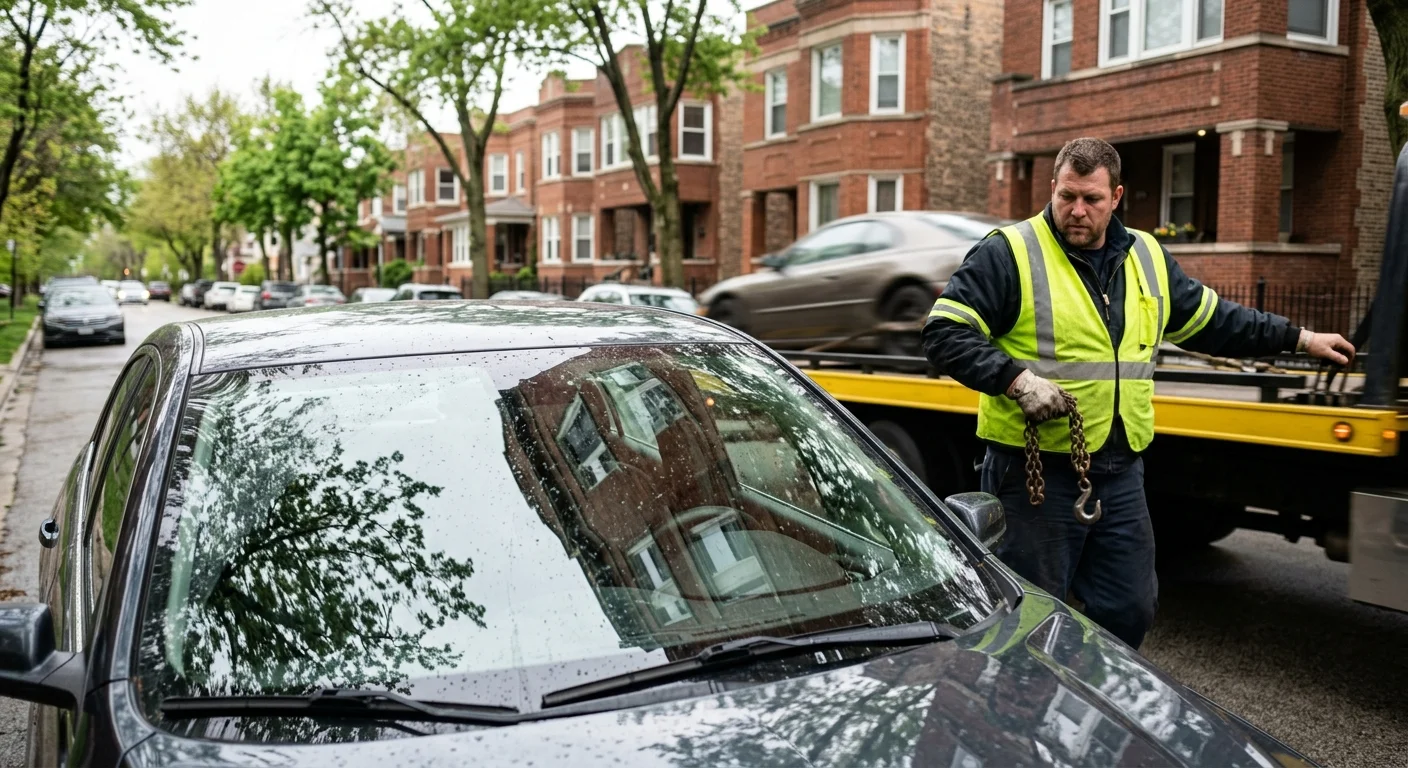
Check whether the city has confirmed your reason
Start with the reason you believe the ticket is wrong. The city has confirmed two narrow dismissal situations involving sticker compliance.
The first concerns an expired sticker. Chicago restored a 15-day grace period after a city sticker expires. Ticketing shouldn’t begin during that period. According to the city’s ticketing and towing reforms page, a ticket issued in error within those 15 days can be dismissed through the city’s listed contact route.
The second concerns repeat compliance tickets. The city says residents get a full day to correct a compliance violation. A repeat ticket issued on the same day or the following day is dismissible.
These rules don’t mean every unwanted ticket must be canceled. They apply to specific timing errors. Other problems, such as incorrect vehicle information, still need documentation and review. The approved city sources don’t confirm that every clerical error produces an automatic dismissal.
Check the issue date, issue time, violation description, plate, and sticker expiration. Compare that information with your purchase records and the sticker on the windshield. If the ticket falls within a confirmed dismissal situation, state that clearly.
The city publishes a $250 city sticker ticket amount with late fees. That’s the city’s figure, not a Quick Tow Chicago charge. Our guide to an expired city sticker ticket explains the violation and its connection to booting.
Keep the two grace periods separate
Chicago publishes two different grace periods related to city stickers. Mixing them can weaken an otherwise clear dispute.
The Office of the City Clerk says stickers expire on the last day of the month. It also describes a 30-day grace period to buy a sticker without a late fee or back charge. Separately, the city’s ticketing reforms confirm a 15-day grace period after expiration before ticketing begins.
Those aren’t interchangeable rules. The approved city source specifically confirms dismissal for a ticket issued inside the 15-day ticketing grace period. It doesn’t confirm that every citation issued during the broader purchase window must be dismissed.
Base your request on the rule that directly matches the citation. If the ticket was issued shortly after expiration, count carefully from the expiration date. Don’t round the date or rely on when you first noticed the ticket.
If your dispute concerns the purchase price, vehicle class, or senior rate, the relevant price table took effect February 1, 2024. It shouldn’t be described as a 2026 price table. Our Chicago city sticker cost guide separates those published prices from ticket penalties.
A late purchase fee is another separate issue. Buying a sticker, disputing a ticket, and challenging a late fee aren’t necessarily the same request. Keep each notice and receipt tied to its own date. That makes it easier to show exactly which city rule applies.
Build a short evidence packet
A useful dispute starts with a clean timeline. You don’t need a long argument. You need dates that match the city’s confirmed rule.
Save the complete ticket. Photograph both sides if it’s printed. Make sure the violation, plate, issue date, and issue time remain readable. Take a clear photo of the sticker and its expiration information.
Keep the sticker purchase receipt or transaction record. If you bought the sticker during a grace period, preserve the purchase date and confirmation. Don’t rely on a bank statement alone when a detailed city receipt is available.
For a repeat compliance ticket, place both citations beside each other. Check that they involve the same vehicle and the same compliance problem. Record their issue dates and times. A same-day or next-day sequence should be visible without explanation.
Write a short timeline:
- The sticker’s expiration date
- The first citation’s date and time
- The second citation’s date and time, if applicable
- The sticker purchase date
- The date you contacted the city
Keep screenshots or confirmation messages from any city contact. If a city representative gives you a case or reference number, save it with the citations. Ask whether written confirmation is available.
The approved sources don’t provide one universal contest deadline or one complete procedure for every city sticker dispute. Read the instructions printed on your citation. Then verify the current route and deadline through the linked city page. Don’t assume a process described on an old forum still applies.
Make a focused dismissal request
Use the contact information on the city’s official reform page. That keeps you connected to the city’s current instructions without relying on an agency number copied elsewhere.
Lead with the dismissal rule, not your frustration. For a grace-period ticket, a clear request could read:
I’m requesting dismissal of a city sticker ticket issued within the city’s 15-day grace period after expiration. The ticket, sticker expiration, and supporting receipt are attached.
For a repeat ticket, use direct language:
I’m requesting dismissal of a repeat compliance ticket issued on the same day or the next day. Both citations and their issue times are attached.
Don’t combine unrelated complaints. If the plate, vehicle description, or another detail is also wrong, identify that separately. Say what the document shows without claiming an automatic legal result that the city hasn’t confirmed.
Keep a copy of everything you submit. Record the date and the route used. If the city asks for another document, answer with the requested record rather than rewriting the entire story.
A city sticker is Chicago’s Wheel Tax emblem. The city says Chicago residents driving, parking, leasing, or owning a vehicle for which they’re responsible in Chicago are subject to that tax. If your dispute is about whether the requirement applied to you, review the city’s wording and our guide to who needs a Chicago city sticker. The approved sources don’t establish every residency dispute, so confirm the current standard directly with the City Clerk.
Act before the ticket becomes a tow problem
City sticker disputes belong on a towing site because unpaid compliance tickets can lead to a boot. A boot can then lead to a city tow.
After a car is booted, the city says the owner has 24 hours to pay in full or enter a payment plan before towing. The owner can request one additional 24-hour period through the city’s listed contact route. Under Chicago Municipal Code 9-100-120(b), the threshold is three or more unpaid final determinations of liability, or two unpaid final determinations more than one year past their issue dates. Check your city account because a ticket is not necessarily a final determination.
If the car has already disappeared, don’t assume it was stolen or taken because of this ticket. Chicago sometimes relocates vehicles for street work. The city says an emergency relocation can happen without an opportunity to post signs.
Use the city’s Find Your Towed Vehicle tool and contact the city’s nonemergency service before reporting the vehicle stolen. Our guide to finding a towed car in Chicago explains the difference between a relocation and an impound.
For an ordinary city tow, Chicago’s Common Towing Questions publishes a $250 tow fee for vehicles under 8,000 pounds and $350 at or above that weight. Published storage is $50 or $100 per day, depending on weight. These are city charges under its stated schedule. They aren’t our prices, and they shouldn’t be confused with Chicago’s separate winter parking-ban figures.
The city also says a vehicle won’t be released without current state plates and a Chicago Vehicle Sticker where required. That makes correcting the sticker problem part of retrieving the vehicle, not just contesting the original ticket.
When to call us
Once the problem has become a breakdown or towing need, Quick Tow Chicago can match you with an independent local operator. Start at emergency towing if that is the job. The line takes calls 24/7, and the operator’s price is quoted before dispatch. Call us at (773) 830-6930.