Chicago residents responsible for a vehicle generally need a Chicago city sticker. The City Clerk’s rule covers residents who drive, park, lease, or own that vehicle in Chicago. The published test focuses on residency and responsibility, not simply where someone drove that day.
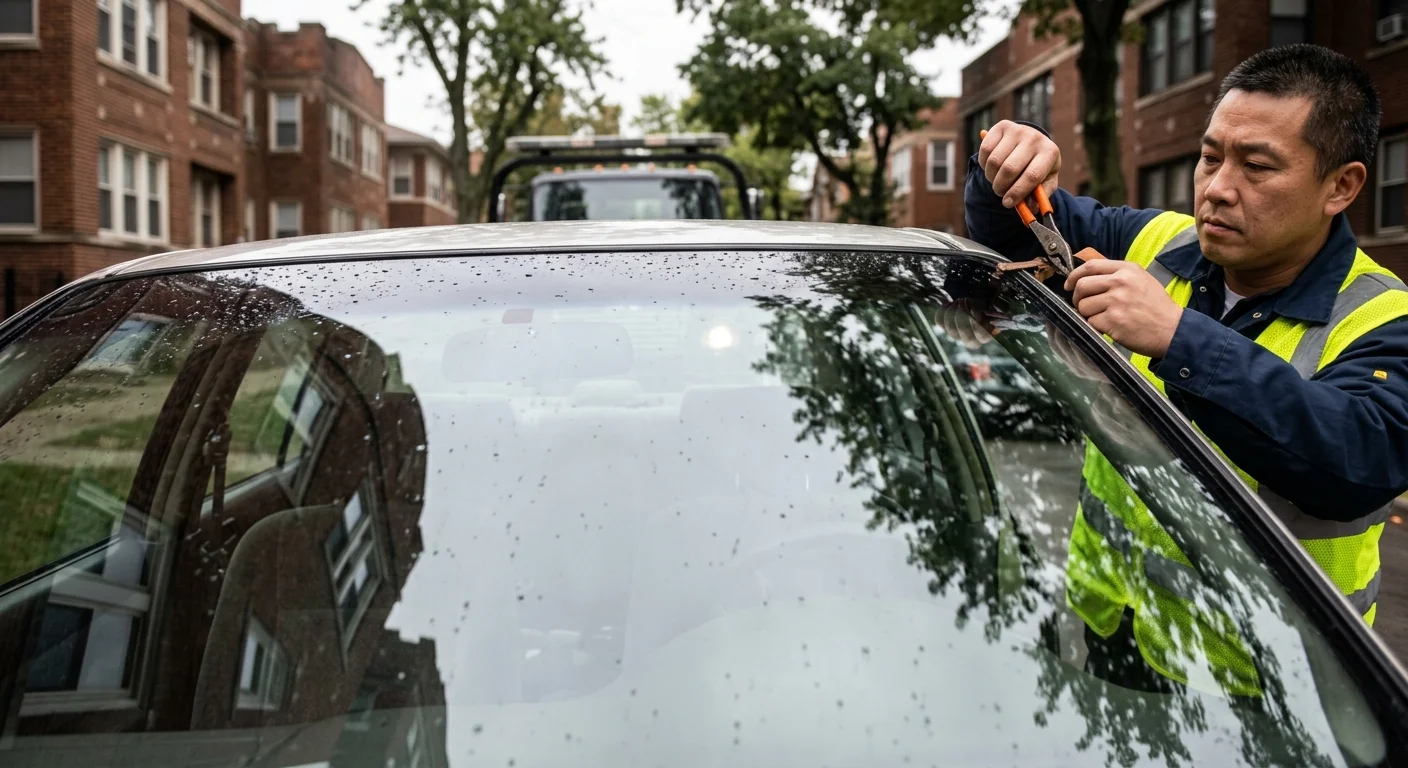
The residency test
The City Clerk’s published rule is broad. It states that all Chicago residents driving, parking, leasing, or owning a vehicle for which they’re responsible in Chicago are subject to the Wheel Tax.
Ownership isn’t the only trigger in that wording. A leased vehicle is included. So is a vehicle a Chicago resident drives or parks and is responsible for, even when the title arrangement isn’t straightforward.
The key word is “resident.” A person can drive into Chicago without becoming a Chicago resident. Someone commuting from Cicero, Oak Park, or Schaumburg shouldn’t treat a trip into the city as proof that the tax applies. The published rule is framed around Chicago residency.
The opposite situation needs closer attention. A Chicago resident may use a vehicle titled to a relative, employer, or leasing company. Since the Clerk’s wording reaches beyond ownership, the name printed on the title doesn’t settle every case.
Shared cars, company vehicles, students with two addresses, and recent moves can create uncertain situations. The verified material for this page doesn’t establish a separate test for those arrangements. Don’t guess based on the registration alone. Give the Office of the City Clerk your residence, parking, leasing, and ownership details, then ask whether the Wheel Tax applies.
Our guide to what a Chicago city sticker is explains how the sticker fits into the city’s vehicle rules.
Chicago residents and suburban drivers aren’t treated alike
The city line matters here. Pilsen and Little Village are Chicago neighborhoods. Cicero is a separate municipality, even though drivers cross between them every day.
A suburban resident may work downtown, visit family in Chicago, or park near an L station. The City Clerk’s published Wheel Tax wording doesn’t say that entering or working in Chicago alone makes that person a Chicago resident. It specifically identifies Chicago residents who are responsible for vehicles in the city.
Moving across the city line changes the facts. A driver who recently moved from Berwyn into Chicago shouldn’t rely on an old suburban registration address without checking. The same applies when someone moves out of Chicago but still keeps, leases, or regularly parks a vehicle there. The verified claims don’t establish how the Clerk resolves every split-address case.
Chicago’s rules also shouldn’t be extended across the entire metro. Naperville, Joliet, Aurora, and Elgin aren’t covered by a City of Chicago price table merely because people commute between them. Each municipality controls its own local requirements.
Quick Tow Chicago serves drivers across Cook, DuPage, Kane, and Will counties, but that service area doesn’t change anyone’s tax status. Residency rules come from the government that administers the tax. When the address or vehicle arrangement is disputed, confirm it with the Office of the City Clerk before buying or deciding that no sticker is needed.
What the published sticker prices show
The Office of the City Clerk’s vehicle sticker table lists annual prices effective February 1, 2024. These figures shouldn’t be described as 2026 prices.
The published annual amounts are:
- Motorbike: $53.04
- Passenger: $100.17
- Large Passenger: $159.12
- Small Truck: $235.71
- Large Truck: $530.40
The Passenger category covers vehicles with a curb weight of 4,500 pounds or less and a payload capacity of 2,499 pounds or less. Large Passenger covers a curb weight of at least 4,501 pounds with a payload capacity of 2,499 pounds or less.
The verified price table doesn’t provide definitions for the remaining categories in the material available for this page. Check the vehicle’s records and ask the Clerk which category applies. Don’t choose based only on how the vehicle looks.
The table also publishes senior discounted annual prices. Passenger, Large Passenger, and Motorbike stickers are listed at $37. A senior-discounted Small Truck sticker is listed at $156. Eligibility requirements and documents should be confirmed with the Clerk before purchase.
The Clerk’s FAQ says pricing is prorated at the point of sale, but it doesn’t publish a six-month or prorated dollar amount. That means a specific prorated price couldn’t be confirmed here. Ask for the exact amount at the point of sale rather than estimating it. Our separate Chicago city sticker cost guide keeps these published categories and dates in one place.
Expiration dates and grace periods
Chicago city stickers expire on the last day of the month. The City has restored a 15-day grace period after expiration before ticketing begins.
That 15-day period concerns enforcement after an existing sticker expires. A ticket issued in error during those 15 days can be challenged through the City’s process. The City also says residents can’t receive same-day or consecutive-day tickets for the same compliance violation. A full day must be allowed to come into compliance, and a same-day or next-day repeat ticket is dismissible.
The Clerk’s FAQ separately states that there is a 30-day grace period to buy a sticker without a late fee or back charge. The verified summary available for this page doesn’t identify the event that starts those 30 days. Confirm the starting date with the Clerk before relying on that grace period.
A late sticker purchase carries a $60 fee. The senior-discounted late fee is $30. These are sticker purchase late fees, not towing prices and not prices charged by Quick Tow Chicago.
The City’s ticketing reform material describes a city sticker ticket as $250 with late fees. That ticket amount is separate from the late purchase fees above. The City’s ticketing, booting, and towing reform page explains the enforcement changes.
Drivers dealing with an expired sticker can also review our Chicago city sticker late fee guide. Confirm the applicable deadline before paying, especially after a move or a change in vehicle responsibility.
How a sticker issue can lead to a tow
A city sticker issue doesn’t begin as a roadside towing problem. It starts as a compliance matter. Unpaid compliance tickets can build the balance that leads to a boot, and a booted vehicle can later be towed.
After a car is booted, the owner has 24 hours to pay in full or enter a payment plan before the City tows it. The owner can request one additional 24-hour period through the City’s published process. Quick Tow Chicago can’t remove a City boot, alter that deadline, or release a vehicle from a City pound.
A sticker can also matter after another violation causes the tow. According to the City’s common towing questions, a vehicle won’t be released from a Chicago auto pound without current state plates and a Chicago Vehicle Sticker where required. Paying towing and storage charges may not be the final step if the required sticker is missing or expired.
Quick Tow Chicago isn’t the City, a pound, or an Illinois Commerce Commission relocator. It is a referral service that connects drivers with independent local operators when roadside towing is needed. It owns no trucks and runs no storage lot.
If a car has disappeared, first check the City’s Find Your Towed Vehicle tool. The City advises checking for an impound or relocation before reporting the vehicle stolen. Our guide to finding a towed car in Chicago explains what to check next.
What to confirm before buying
Start with the address where you actually reside. Then identify your relationship to the vehicle. Ownership, leasing, driving, parking, and responsibility all appear in the City Clerk’s published rule.
Next, verify the correct sticker category. Check the curb weight and payload capacity instead of guessing from the body style. Passenger and Large Passenger have published weight definitions. The verified material for this page doesn’t provide the Clerk’s category definitions for Motorbike, Small Truck, or Large Truck.
Confirm the exact deadline if you recently moved, changed vehicles, or became responsible for a different car. The 15-day post-expiration ticketing grace period and the separate 30-day purchase grace period aren’t interchangeable. Ask the Clerk which date controls your situation.
Also confirm any senior discount before paying. The discounted prices are published, but the eligibility and documentation rules weren’t established in the approved material for this page.
Finally, request the amount shown at the point of sale if the Clerk says pricing is prorated. No verified six-month or prorated figure was published in the sources reviewed, so an online estimate may not match the amount assessed.
These steps matter because sticker paperwork can affect pound release later. Resolving the residency, category, and deadline questions early is usually simpler than addressing them after a ticket or boot. When the car itself needs roadside help, our 24/7 emergency towing referral service can connect you with a local operator.
When to call us
If the City has released your vehicle but it won’t start or can’t be driven, Quick Tow Chicago can line up an independent local operator, with the price quoted before dispatch. The line takes calls 24/7, and calls are recorded after a notice. Call us at (773) 830-6930.